


Research
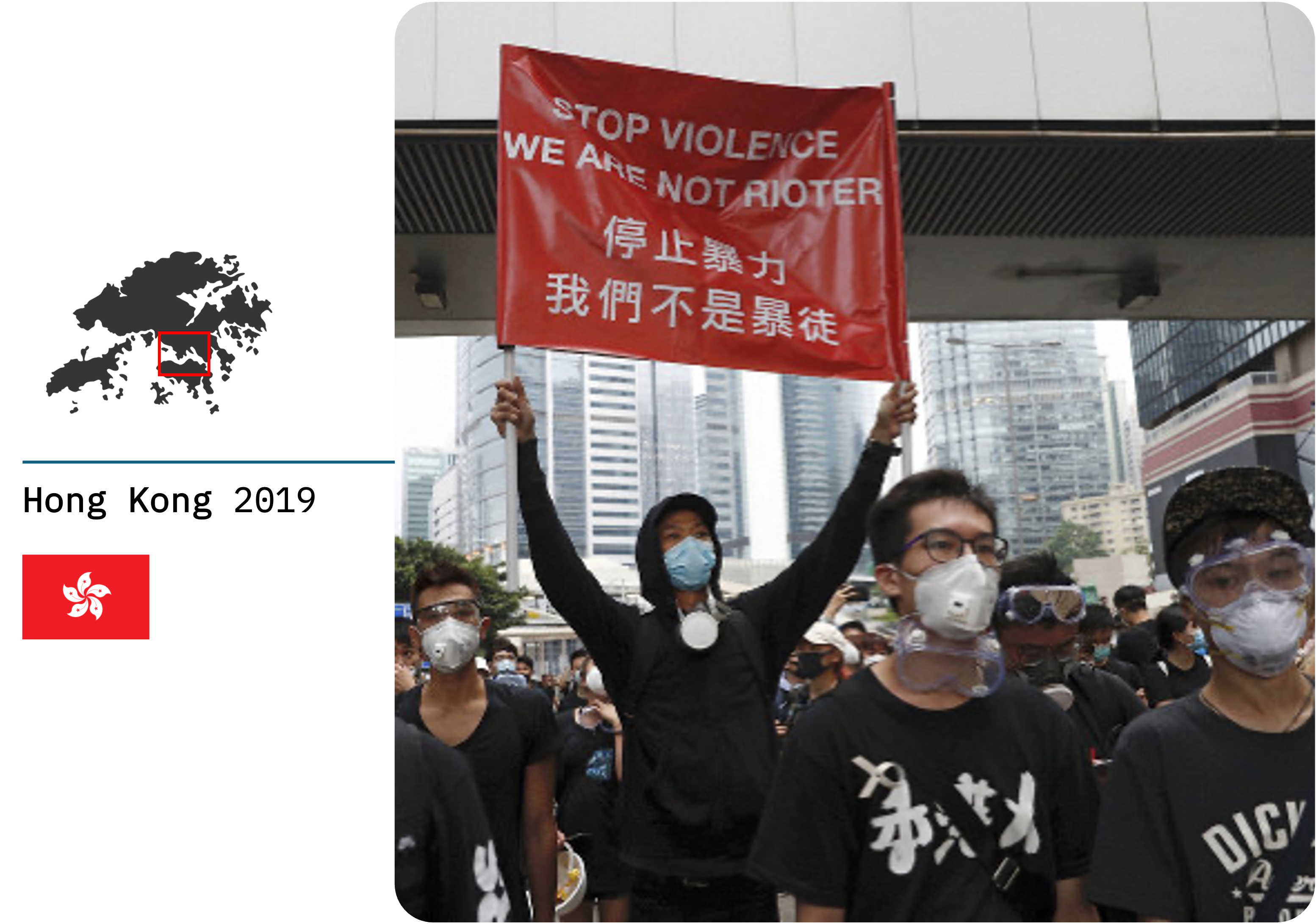
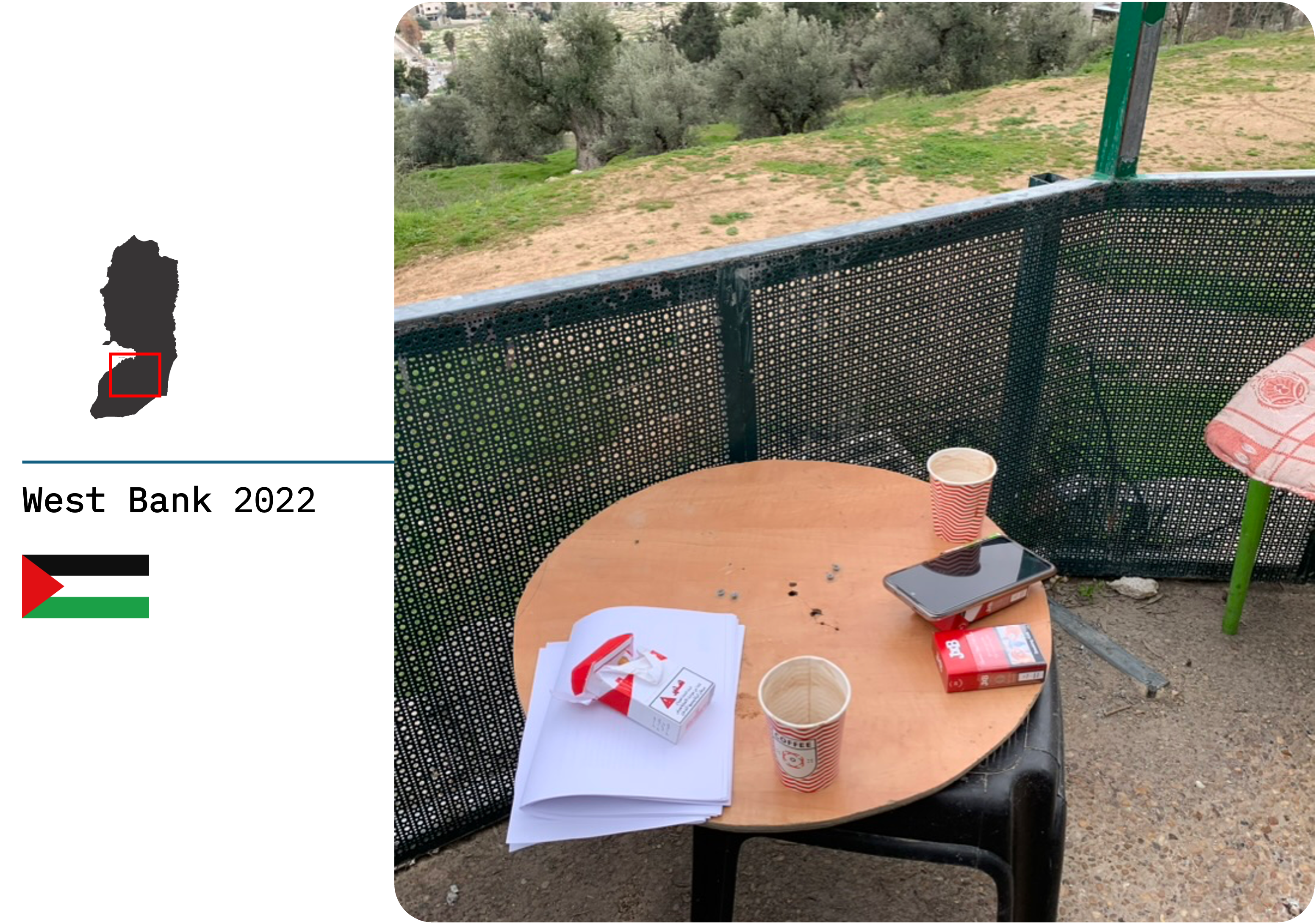
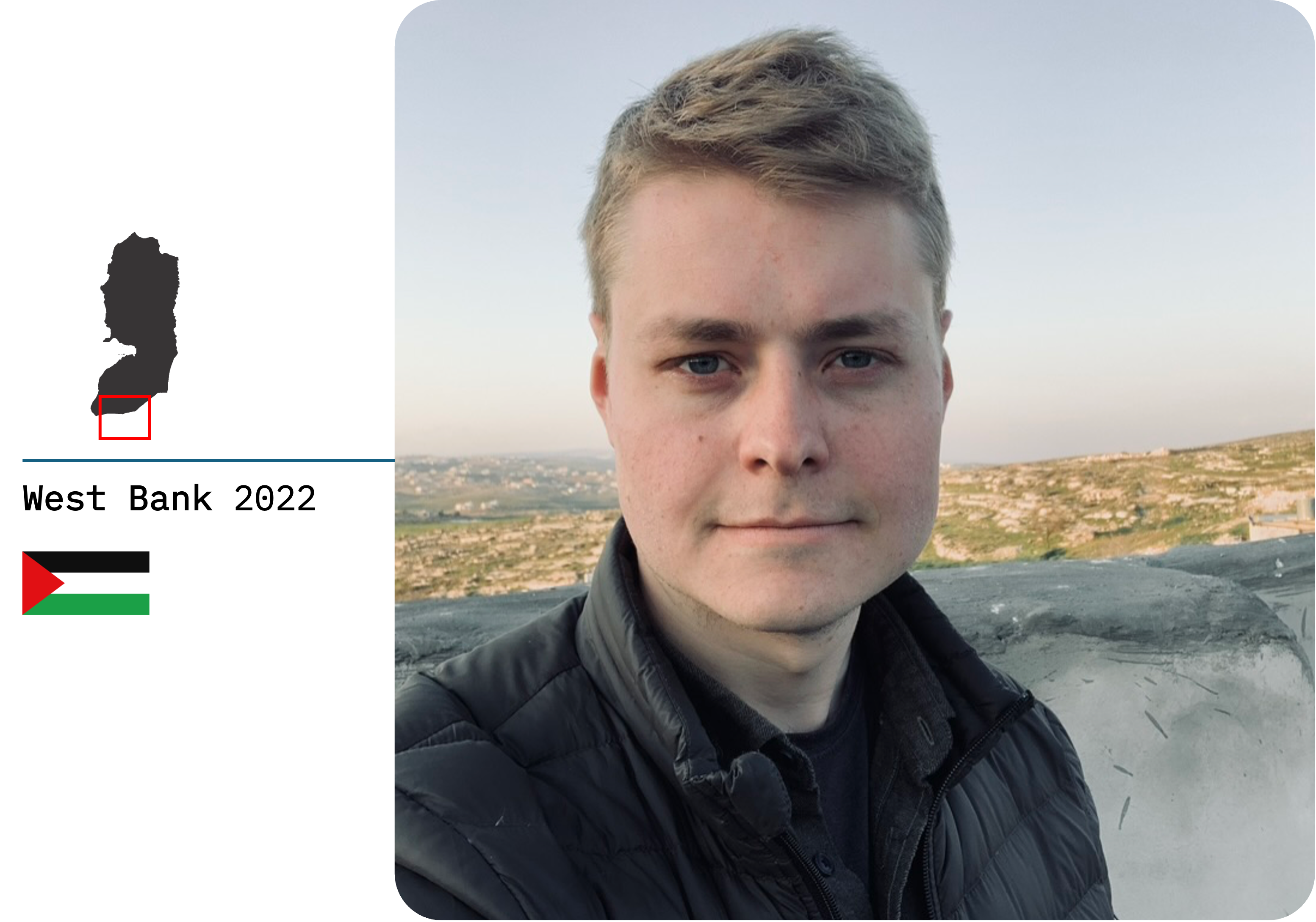

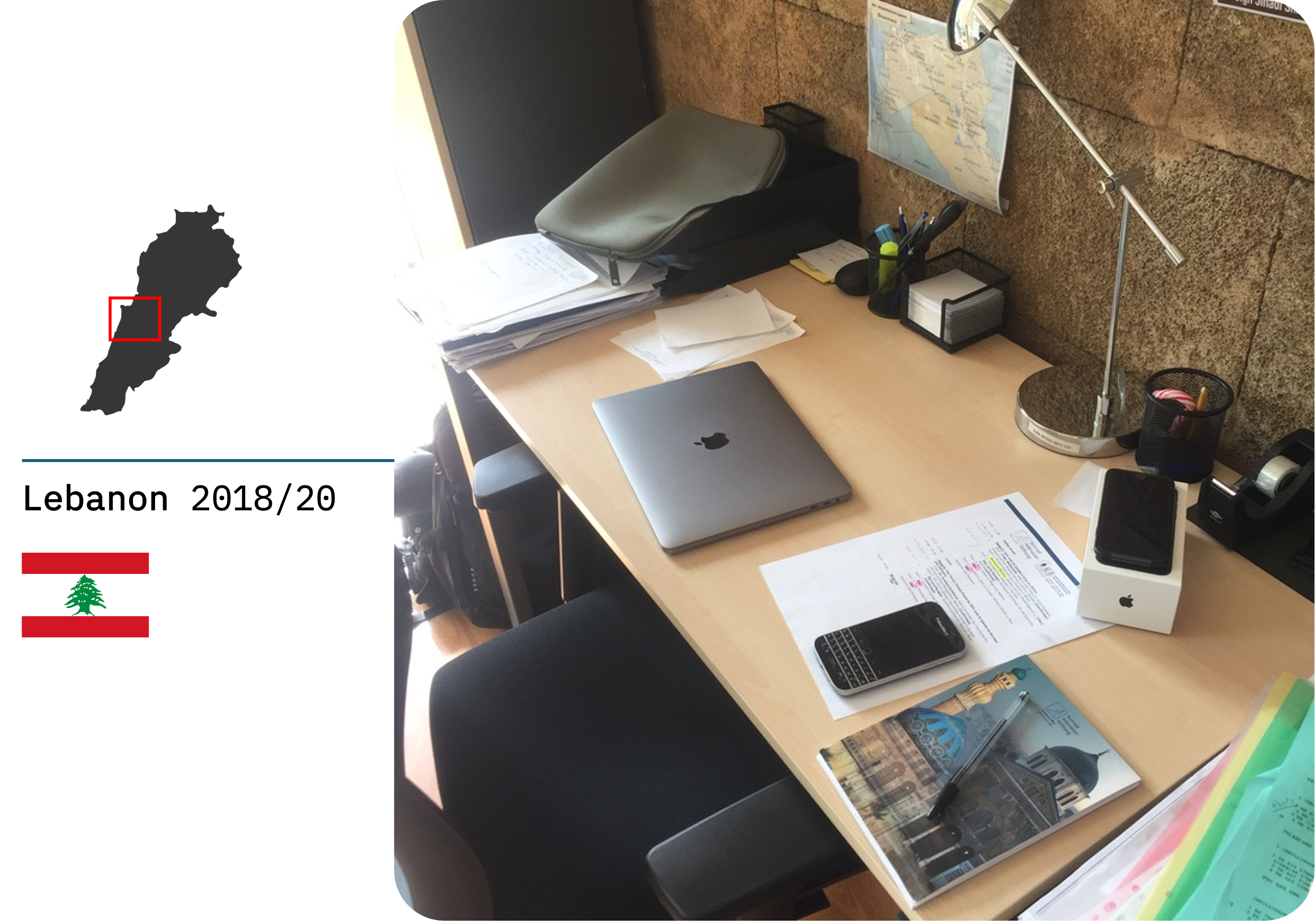
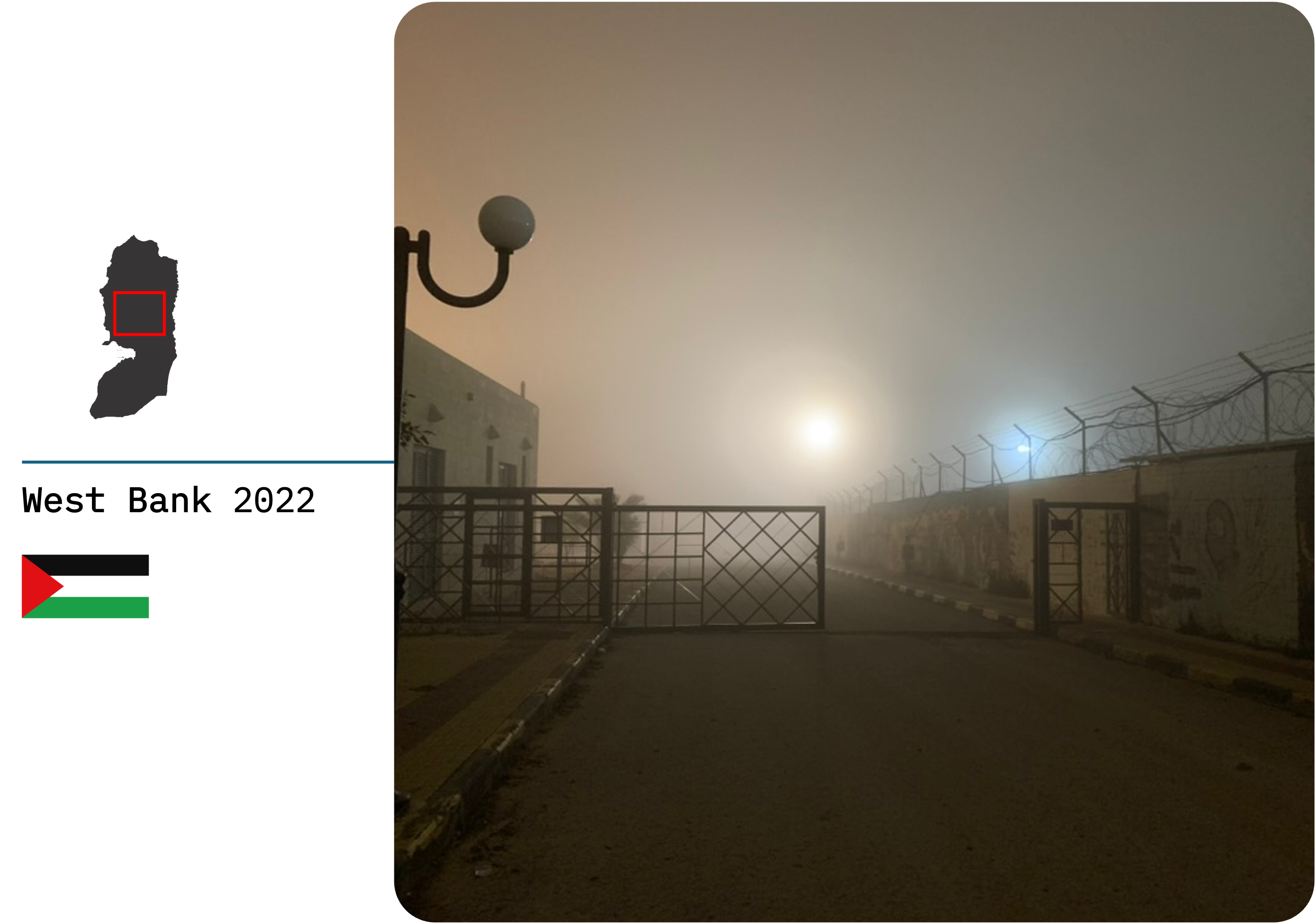
My research examines why individuals engage in collective political action, often at extreme personal sacrifice, particularly where the stakes are highest, such as environments affected by violent conflict. Extreme political behaviour is in one sense an acute collective action problem: why risk so much for a cause that usually offers no individual incentives? Studying these decisions made under deep uncertainty contributes to our understanding of human behaviour more generally, too. My work takes place at the individual level, combining quantitative methods with extensive fieldwork interviewing protesters, members of armed groups, political leaders, and civilians in some of the world's most conflict-affected places.
Peer-reviewed journals
Policy & Analysis
Invited Talks & Conference Presentations
-
Mallock, N. (2026, May 29). Moral Versus Instrumental Pathways to Political Action in conflict-affected environments. Annual Convention of the Association for Psychological Science 2026 (Barcelona, Spain).
-
Mallock, N. (2025, November 16). Europe and the Middle East: Finding constructive engagement amid fragmentation. Middle East Peace and Security Forum (Duhok, Iraq).
-
Mallock, N. (2025, July 4). The role of perceived group efficacy in motivating violent and peaceful political action: Evidence from Syria, Iraq and Lebanon. Annual meeting of the International Society of Political Psychology (Prague, Czech Republic).
-
Laffan, K., Mallock, N., Melios., G., & Valentim., A. (2025, July 2). The impact of climate-based natural disasters. LSE Festival 2025 (London, United Kingdom).
-
Mallock, N. (2025, May 15). Illiberal Peace or Stability? Turkey’s Regional Approach (Syria, Libya, Iraq). Royal United Services Institute (London, United Kingdom).
-
Weiss, M., Aldoughli, R., Hamid, N., McDonald, B., & Mallock, N. (2025, May 14). Insights from Syria’s rebel fighters. Syria Conference by the International Centre for the Study of Radicalisation (London, United Kingdom).
-
Mallock, N. (2025, March 12). Understanding Conflict -- Insights from Behavioral Science (Keynote). Insight4Impact (Frankfurt, Germany).
-
Mallock, N. (2025, February 20). How personal uncertainty drives normative and non-normative political action: Experimental evidence from Iraq. Annual meeting of the Society for Personality and Social Psychology 2025 (Denver, United States).
-
Mallock, N. (2024, September 23). Ending Wars. 11th Annual Conference on the Resolution of Intractable Conflict (Oxford, United Kingdom).
-
Mallock, N. (2024, July 24). Conflict trauma and youth: exploring approaches for recovery and conflict prevention in the Middle East and North Africa. Wilton Park Roundtable (Wilton Park, United Kingdom).
-
Mallock, N. (2024, June 23). Individual-level motives to engage in peaceful and violent political action. Annual meeting of the Society for the Psychological Study of Social Issues (Philadelphia, United States).
-
Mallock, N. (2024, February 8). Israeli settlements, Palestinian protests, and individual perceptions in intergroup conflict. Annual meeting of the Society for Personality and Social Psychology 2024 (San Diego, United States).
-
Mallock, N. (2024, February 8). On psychological fieldwork in conflict researchLE. Conflict and Conflict Resolution SPSP Preconference (San Diego, United States).
-
Mallock, N. (2024, February 7). Using geographical locations to test mechanisms of violent protest engagement in the West Bank. Psychology of Extremism SPSP Preconference (San Diego, United States).
-
Mallock, N. (2023, June 21). Engagement through exposure? Climate activism following extreme weather events. International Conference on Environmental Psychology (Aarhus, Denmark).
-
Mallock, N. (2022, July 8). Motivations crowding across forms of political action. Annual meeting of the International Association People-Environment Studies (Lisbon, Portugal).
Media Coverage
Interviews, podcasts, and newspaper features » Show more
Theses
-
Mallock, N. (2025). Pathways to political violence and peaceful protest in conflict-affected environments. PhD Thesis, London School of Economics and Political Science (Supervisors: Christian Krekel & Liam Delaney; Reviewers: Scott Atran, Eran Halperin, Dario Krpan).
-
Mallock, N. (2020). Comfort in radicalism? Self-affirmation, personal characteristics and political violence in Iraq. Unpublished MSc Thesis, London School of Economics and Political Science (Awarded the Rob Farr Award for Best Dissertation -- one award per year).
-
Mallock, N. (2018). Cryptography in blockchain systems: Analysis of current implementations and their sustainability. Unpublished BSc Thesis, Frankfurt School of Finance & Management.